
Dengue is a mosquito-borne viral infection that can cause fever, headache, body pain and other symptoms. During periods when mosquito breeding conditions are favourable, understanding dengue symptoms and knowing when to seek medical attention is important for families in Tirupattur.
Not every fever is dengue, and symptoms alone cannot confirm the infection. Early medical assessment can help determine whether testing, monitoring or further treatment is necessary.
What Are the Common Symptoms of Dengue Fever?
Dengue symptoms can vary from person to person. Common symptoms include:
- Sudden high fever.
- Severe headache.
- Pain behind the eyes.
- Muscle and joint pain.
- Nausea or vomiting & Skin rash.
- Unusual tiredness or weakness.
These symptoms can also occur with other illnesses. If you develop a fever with significant body pain or other concerning symptoms, consult a healthcare professional.
Dengue Warning Signs: When Should You Seek Emergency Care?
Look out for:
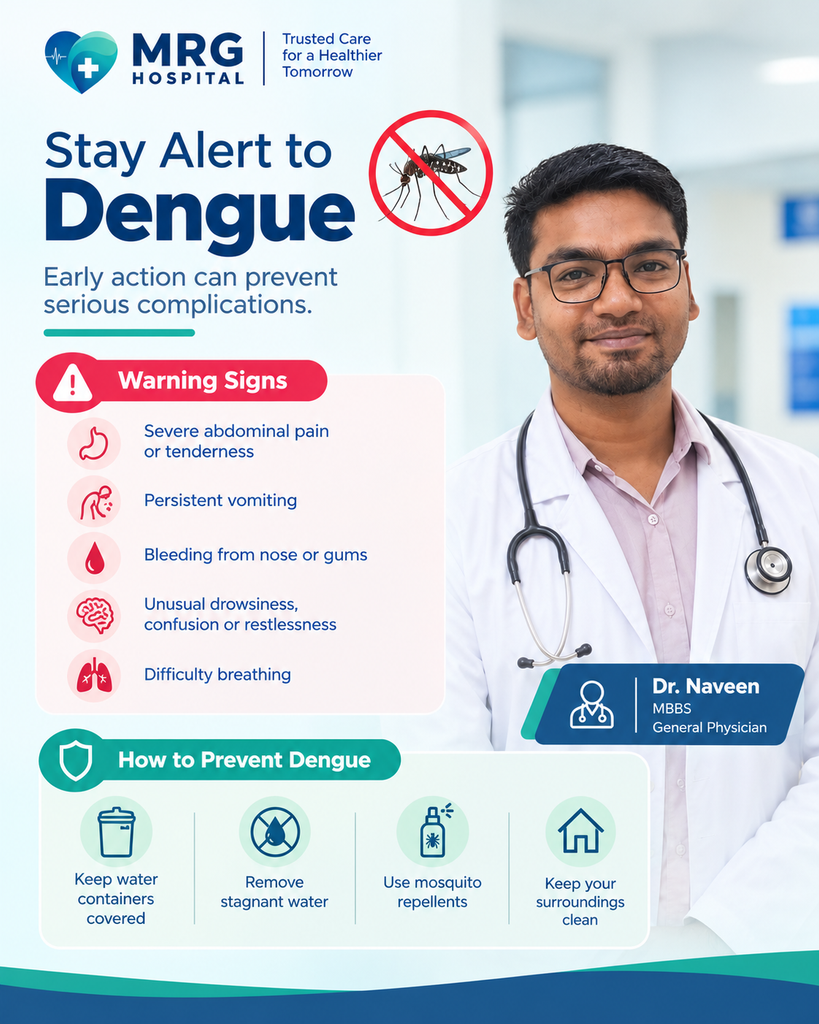
Some people with dengue can develop severe complications. Warning signs require urgent medical assessment.
Do not ignore warning signs simply because the fever has come down.
Severe dengue can develop around the time the fever subsides, so medical monitoring may remain important.
If any of these warning signs occur, seek emergency medical care immediately.
When Is a Dengue Blood Test Needed?
A doctor may recommend a dengue blood test based on your symptoms, the duration of the fever and the clinical examination.
Different tests may be useful at different stages of the illness. A healthcare professional can determine which test is appropriate and whether additional investigations or follow-up are needed.
A platelet count alone cannot confirm or rule out dengue. Test results must be interpreted alongside the patient’s overall condition.
Avoid self-diagnosis or delaying medical assessment while waiting for symptoms to become more severe.
How Is Dengue Treated?
There is no specific antiviral medicine that cures dengue. Treatment focuses on appropriate supportive care and monitoring for complications.
Depending on the patient’s condition, a doctor may recommend:
- Adequate fluid intake.
- Rest.
- Appropriate medicine to manage fever.
- Follow-up examinations or blood tests when indicated.
- Hospital care if warning signs or complications develop.
- Avoid aspirin and ibuprofen when dengue is suspected unless a treating clinician specifically advises otherwise, because these medicines can increase bleeding risk.
Follow the doctor’s instructions and seek reassessment if symptoms worsen.
How Can You Prevent Dengue?
Reducing mosquito breeding and preventing mosquito bites are important ways to reduce dengue risk.
Practical steps include:
- Remove stagnant water from containers around your home.
- Keep water-storage containers covered.
- Clean water containers regularly.
- Dispose of objects that collect rainwater.
- Use appropriate mosquito repellents.
- Wear clothing that helps reduce exposed skin.
- Keep your surroundings clean.
These precautions are particularly useful during periods of increased mosquito Activity.
Where Can You Seek Medical Care for Dengue Concerns in Tirupattur?
If you develop fever and suspect dengue, consult a qualified doctor for an assessment.
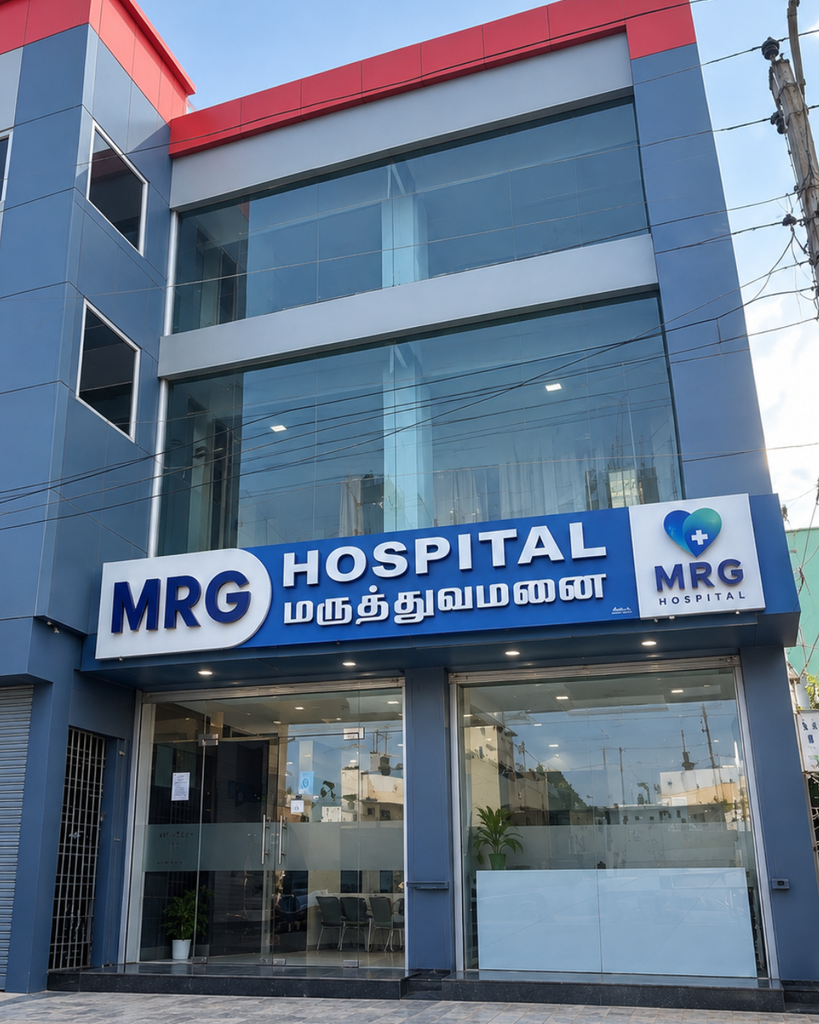
Timely evaluation can help determine whether testing and monitoring are needed, MRG Hospital in Tirupattur lists general medicine consultations and round-the-clock 24/7 emergency services.
Address: Asiriyar Nagar, Tirupattur, Tamil Nadu – 635601. Phone: +91 97872 67606
Contact the hospital to confirm the availability of the specific medical consultation or testing you require. For severe symptoms or dengue warning signs, seek emergency medical attention immediately.
Frequently Asked Questions
1. What are the first symptoms of dengue?
Dengue commonly causes sudden fever, headache, pain behind the eyes, muscle aches and nausea. Symptoms vary, and testing may be required to confirm the diagnosis.
2. Can dengue become serious after the fever subsides?
Yes. Warning signs can appear as the fever goes down. Seek urgent care if you develop abdominal pain, persistent vomiting, bleeding, breathing difficulty or unusual Drowsiness.
3. Does everyone with suspected dengue need a blood test?
The need for testing depends on the clinical assessment. A doctor can recommend the appropriate investigations.
4. How can I reduce the risk of dengue at home?
Remove stagnant water, keep water-storage containers covered, clean your surroundings and use appropriate mosquito protection.
Medical disclaimer: This article is for general health information and is not a substitute for medical consultation, diagnosis or individual treatment.